

.svg)


DONATE
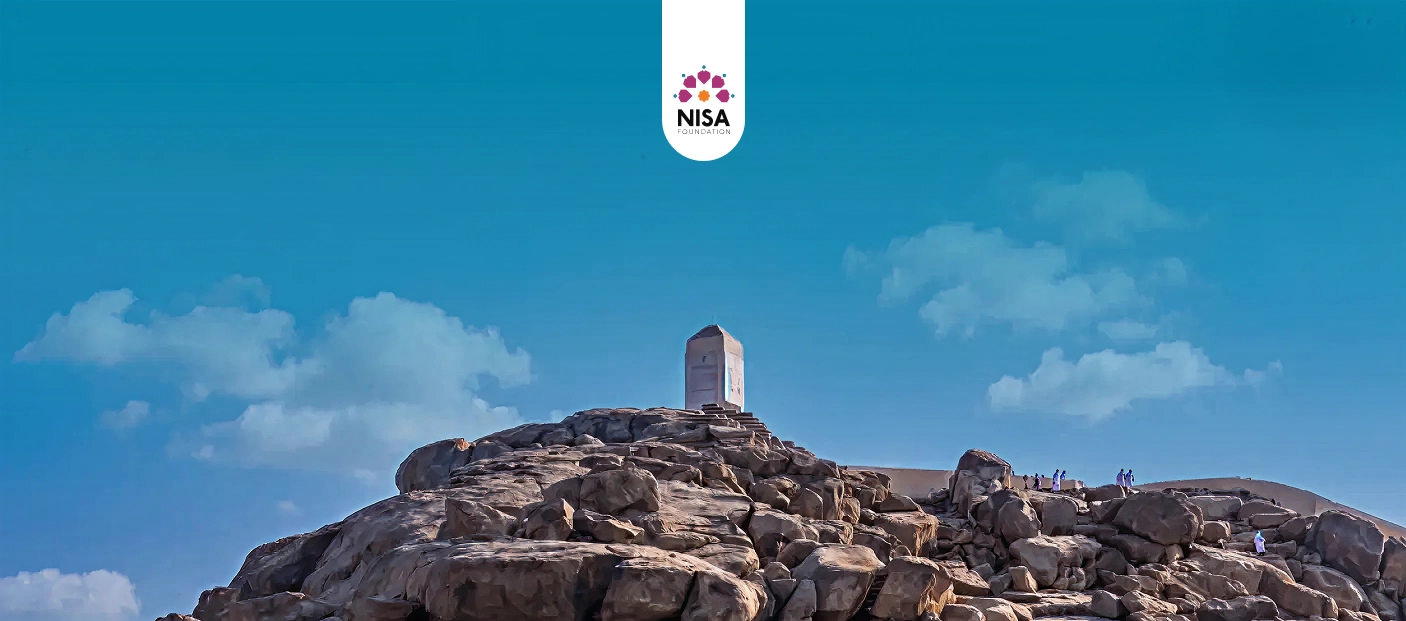
As the blessed days of Dhul Hijjah approach, millions of Muslims around the world prepare for a time of reflection, ibadah, and renewal. Among the most powerful reminders during this sacred season is the Last Sermon of Prophet Muhammad (ﷺ)، a message delivered over 1,400 years ago that still speaks directly to our lives today.
Whether you are reconnecting with your faith or seeking deeper understanding, Prophet (ﷺ)’s Khutbah hajjatul wida or the last sermon offers timeless guidance on justice, equality, compassion, and community.
The Last Sermon or the Khutbah hajjatul wida was delivered by Prophet Muhammad (ﷺ) during his final pilgrimage (Hajj) on the plains of Arafat. It was a farewell message, one that summarized the core values of Islam and emphasized the dignity and rights of every human being.
It is often revisited during Dhul Hijjah because it was delivered on the Day of Arafah, one of the most sacred days in our deen.
“Your lives, your property, and your honour are sacred…”
Prophet (ﷺ) reminded us that every person’s life, wealth, and dignity are sacred. In a world where injustice still exists, this message calls us to be mindful of how we treat others, both in public and private.
Takeaway: Think about how we engage online or within our communities. Are we upholding the dignity of others?
“No Arab has superiority over a non-Arab, and no non-Arab has superiority over an Arab…”
This message dismantled tribalism and racism long before modern conversations about equality.
Takeaway: In today’s diverse societies, this reminds us to actively challenge bias and build inclusive communities.
“Treat women well and be kind to them…”
Prophet (ﷺ) emphasized the importance of treating women with kindness, respect, and fairness.
Takeaway: Healthy relationships, whether in marriage, family, or community, are built on compassion and mutual respect.
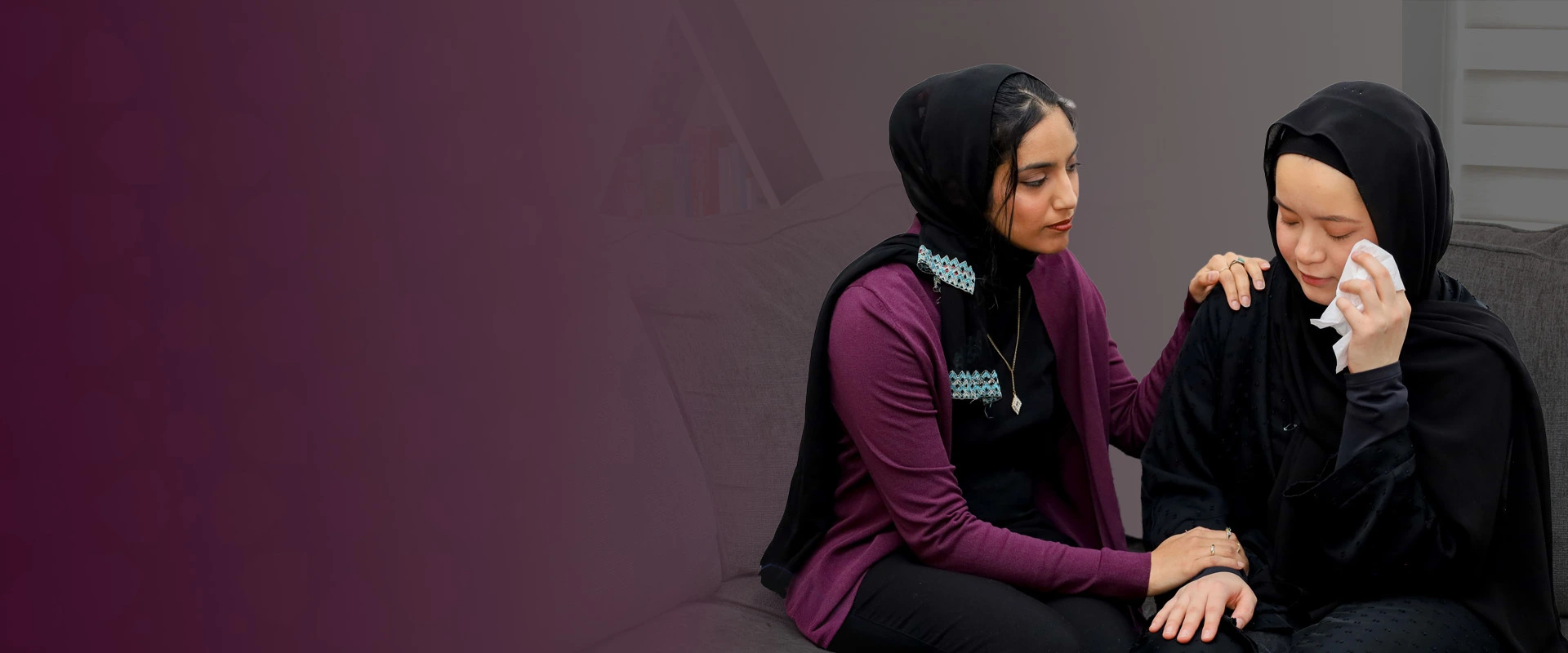
Through its work supporting women and families, Nisa Foundation helps foster safe, respectful environments where these values can truly thrive.
“You will meet your Lord, and He will question you about your deeds…”
Every individual is responsible for their actions. Prophet (ﷺ) reminded us that we will all return to Allah and be accountable.
Takeaway: This encourages self-reflection, especially during Dhul Hijjah, a time when good deeds are multiplied.
“I leave behind me two things: the Qur’an and my Sunnah…”
Prophet (ﷺ) concluded by reminding us to hold firmly to the Qur’an and his teachings.
Takeaway: In moments of confusion or difficulty, returning to faith can bring clarity and peace.
Khutbah Hajjatul Wida (the Last Sermon) is not merely a historical speech; it is a timeless and living guide left for us by our beloved Prophet Muhammad (ﷺ), offering enduring principles to shape our faith, character, and daily lives.
In a time where people struggle with identity, injustice, and connection, the Prophet’s (ﷺ) words remind us that:
As Dhul Hijjah approaches, consider revisiting the Last Sermon of Prophet (ﷺ) with fresh eyes. Reflect on how its teachings can shape our relationships, ibadah and role in our community.
Even small changes, like being more patient, generous, or mindful can align us more closely with the Prophet’s (ﷺ) message.
The Last Sermon of Prophet Muhammad (ﷺ) is a gift and a reminder of what it means to live with purpose, justice, and compassion. Let’s carry its message in our hearts and translate it into action.























































.webp)


.webp)










.webp)







.svg)


.svg)


