

.svg)


DONATE

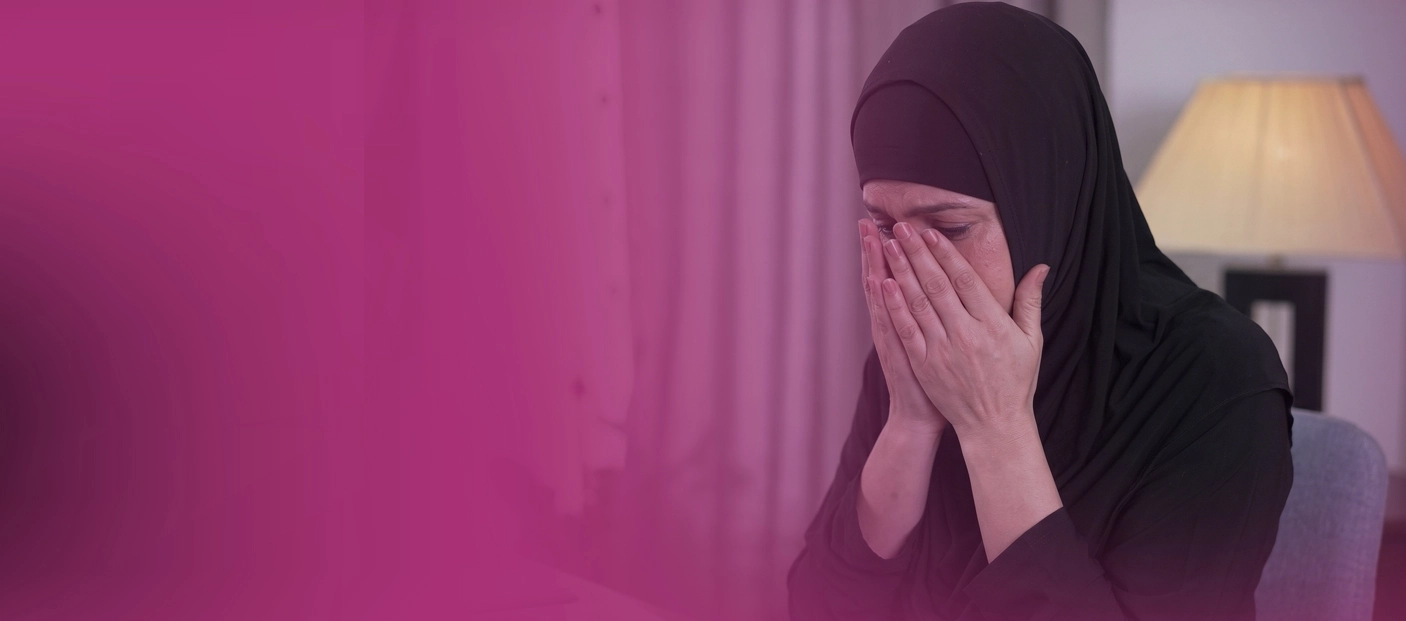
Some days, the weight feels like too much.
It might be the constant mental load, juggling responsibilities, worrying about the future, carrying expectations, or silently battling emotions no one else can see. Stress and anxiety can make even simple things feel overwhelming. And in those moments, it’s easy to feel alone.
But you’re not alone. And in Islam, your struggle is seen, understood, and deeply valued.
Sometimes we think that feeling anxious or overwhelmed means our faith isn’t strong enough. But that’s simply not true.
Even the most beloved to Allah experienced moments of deep emotional pain.
Prophet Muhammad ﷺ went through periods of intense hardship. The Year of Sorrow or عام الحزن, when he lost Khadijah (RA) and Abu Talib, was filled with grief. He faced rejection, isolation, and hurt, like in Ta’if, where he was turned away and harmed.
Yet in those moments, he didn’t suppress his pain. He turned to Allah with honesty. His dua reflected vulnerability, need, and complete trust.
That teaches us something powerful: you don’t have to hide your pain from Allah. You bring it to Him.
There are moments when anxiety feels immediate and consuming, like something bad is about to happen, or everything is slipping out of your control.
Think of Abu Bakr (RA) in the cave during the Hijrah. He wasn’t calm because the situation was safe, he was afraid. The enemy was right outside.
And in that moment, Prophet ﷺ gently reassured him:
“Do not be sad; indeed, Allah is with us.”
This wasn’t a denial of fear. It was a reminder within fear: Allah is present, even here. Sometimes, that’s what we need, not for everything to instantly change, but to know we’re not facing it alone.
Not all stress is loud or sudden. Sometimes it’s quiet, ongoing, and deeply personal.
Prophet Ayub (AS) lived through years of illness, loss, and isolation. There was no quick fix. No immediate relief. But he held on. Not because it was easy, but because he trusted that Allah had not abandoned him.
If you’re going through something that feels never-ending, his story is a reminder: continuing in patience is itself an act of worship.
Maybe your stress comes from caring too much about your family, your responsibilities, and your community.
Umar ibn Al-Khattab (RA) used to worry about the Ummah to the point that he feared being questioned by Allah even for a neglected animal. That emotional weight didn’t make him weak, it reflected his sincerity and sense of responsibility.
If you feel overwhelmed because you care deeply, that feeling has value. Islam doesn’t ask you to shut it off, it teaches you how to carry it with Allah.
When stress hits, you don’t need a perfect plan. You just need a place to start.
Start small.
Pause. Breathe. Whisper a dhikr:
Not as a checklist, but as a way to gently bring your heart back.
Pray, even if it’s just two Rakat where you speak to Allah more than you recite.
And remind yourself: I don’t have to figure everything out right now.
Sometimes, words fail us. That’s where the beautiful duas of our deen carry us.
اللَّهُمَّ إِنِّي أَعُوذُ بِكَ مِنَ الْهَمِّ وَالْحَزَنِ، وَالْعَجْزِ وَالْكَسَلِ، وَالْبُخْلِ وَالْجُبْنِ، وَضَلَعِ الدَّيْنِ وَغَلَبَةِ الرِّجَالِ
Allahumma inni a‘udhu bika min al-hammi wal-hazan, wal- ‘ajzi wal-kasal, wal-bukhli wal-jubn, wa dala‘id-dayn wa ghalabatir-rijal
O Allah, I seek refuge in You from anxiety and sorrow, weakness and laziness, miserliness and cowardice, the burden of debts and from being overpowered by people.

لَا إِلٰهَ إِلَّا أَنْتَ سُبْحَانَكَ إِنِّي كُنْتُ مِنَ الظَّالِمِينَ
La ilaha illa anta, subhanaka inni kuntu minaz-zalimin
There is no deity except You; glory be to You. Indeed, I was among the wrongdoers.

اللَّهُمَّ لَا سَهْلَ إِلَّا مَا جَعَلْتَهُ سَهْلًا، وَأَنْتَ تَجْعَلُ الْحَزْنَ إِذَا شِئْتَ سَهْلًا
Allahumma la sahla illa ma ja‘altahu sahla, wa anta taj‘alul hazna idha shi’ta sahla
O Allah, nothing is easy except what You make easy, and You can make difficulty easy if You will.

حَسْبِيَ اللَّهُ لَا إِلَٰهَ إِلَّا هُوَ ۖ عَلَيْهِ تَوَكَّلْتُ ۖ وَهُوَ رَبُّ الْعَرْشِ الْعَظِيمِ
HasbiyAllahu la ilaha illa Huwa, ‘alayhi tawakkaltu, wa Huwa Rabbul-‘Arshil-‘Azim
Allah is sufficient for me; there is no deity except Him. In Him I place my trust, and He is the Lord of the Mighty Throne.

Say them slowly. Let them mean something. Even if your heart feels distant, keep coming back.
Turning to Allah does not mean you have to carry everything on your own. Islam teaches us to seek Him first, while also taking meaningful steps toward healing and care.
Sometimes healing looks like speaking to someone you trust. Sometimes it means reaching out for professional support. And sometimes it simply means admitting, “I’m not okay right now.”
Islam encourages care for the body, mind, and soul. You are worthy of support in all its forms.
At Nisa Foundation, we recognize that these struggles are real, personal, and deeply human. You do not have to navigate them alone. With faith, compassion, and the right support, healing is possible, one step, one breath, one dua at a time.
Through resources such as the Nisa Helpline and Nisa Mental Health, women and girls can access compassionate, culturally sensitive care rooted in both faith and professional support. Reaching out is not a sign of weakness, it is a courageous step toward healing. If you are struggling, know that there are people ready to listen, support, and walk this journey with you.


















































.webp)


.webp)










.webp)







.svg)


.svg)


