

.svg)

DONATE

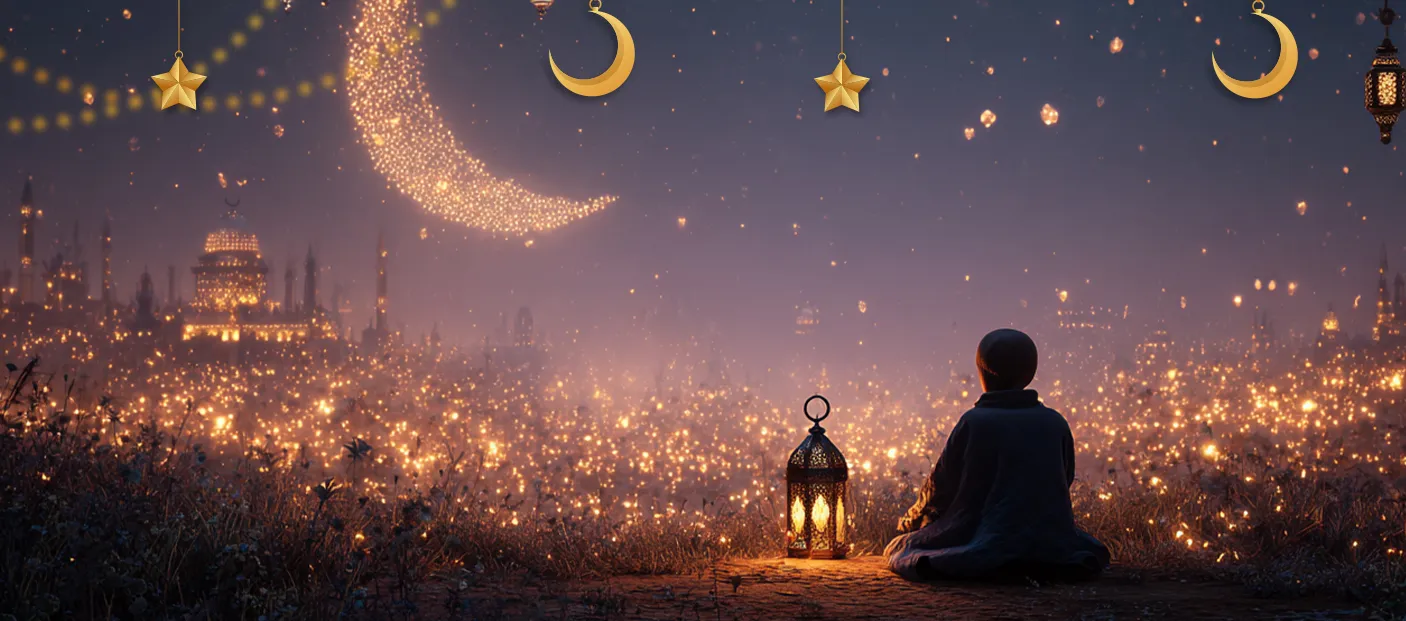
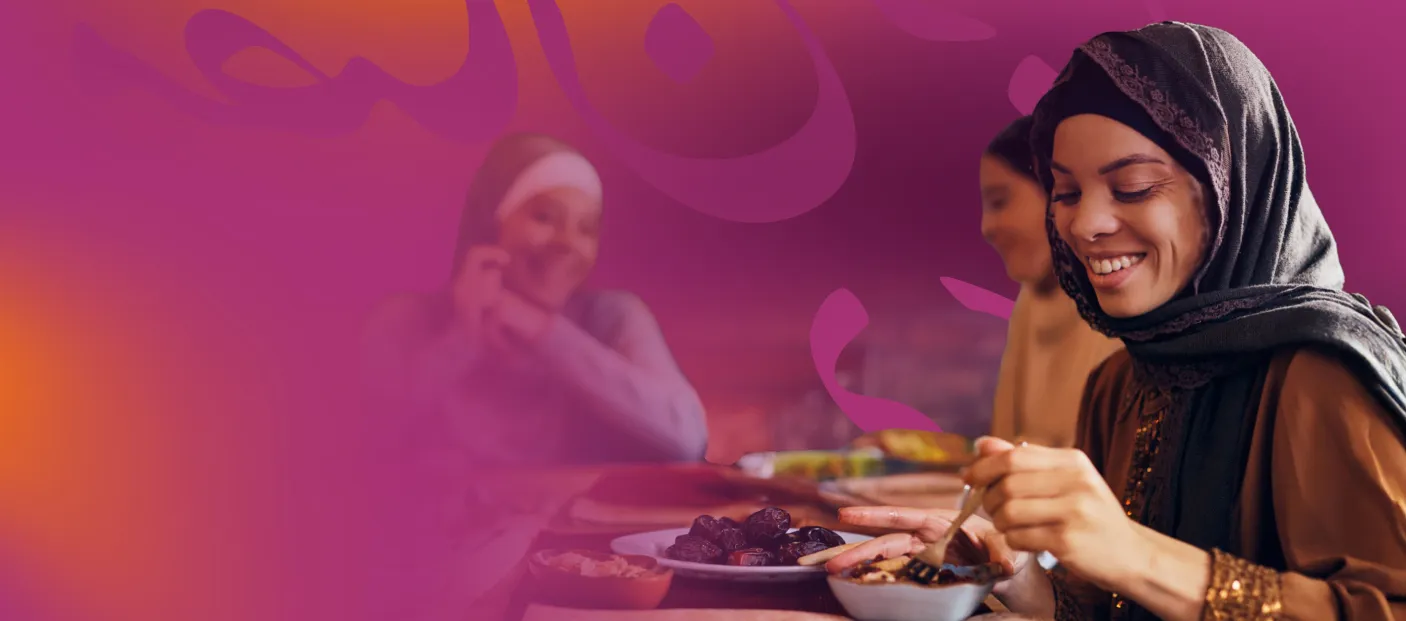
For many of us, Ramadan is a month of peace, reflection, and renewal.
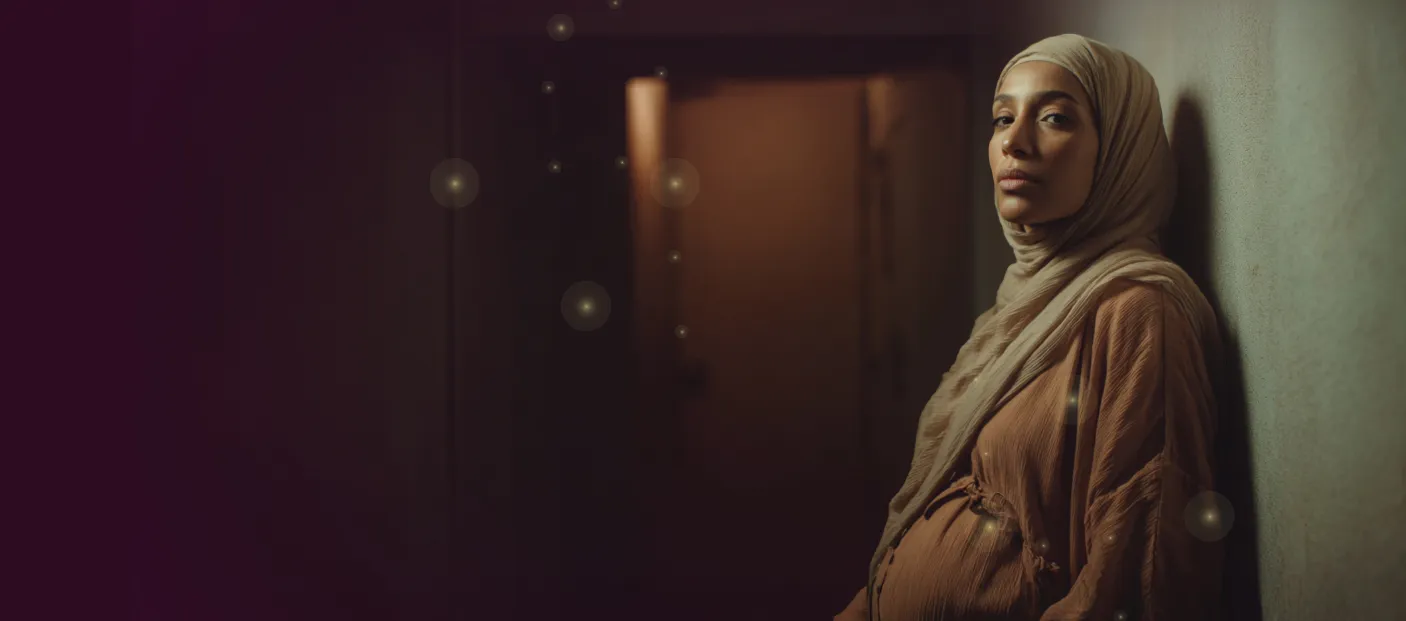
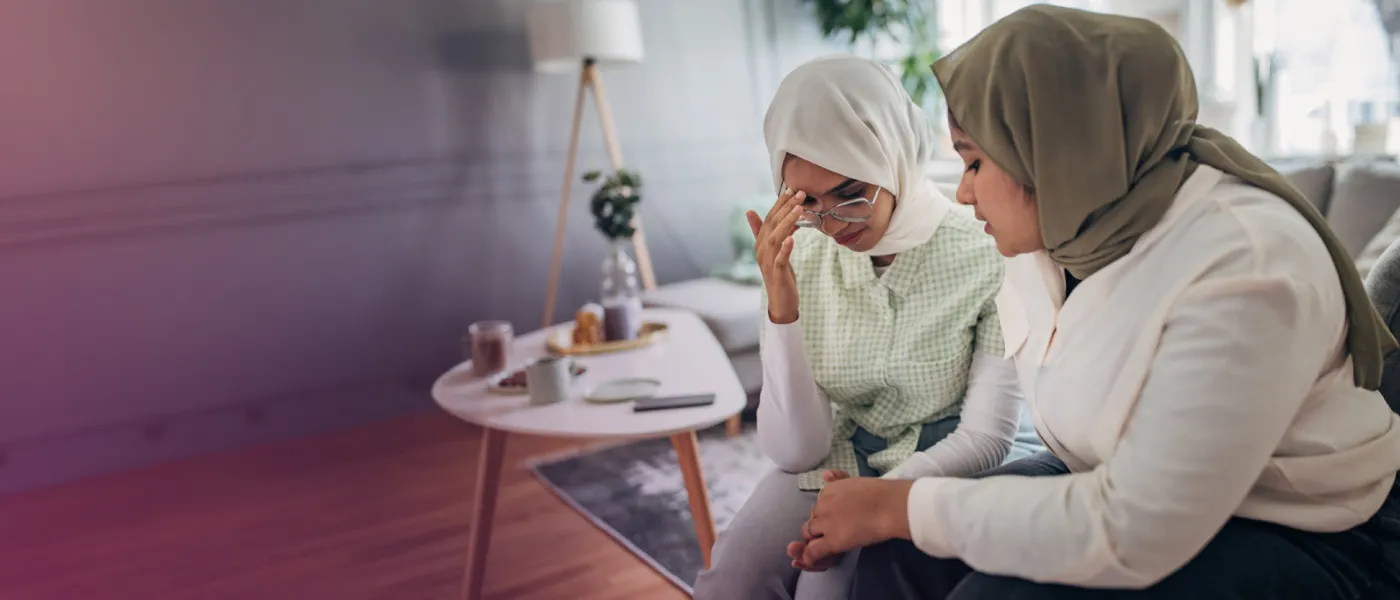
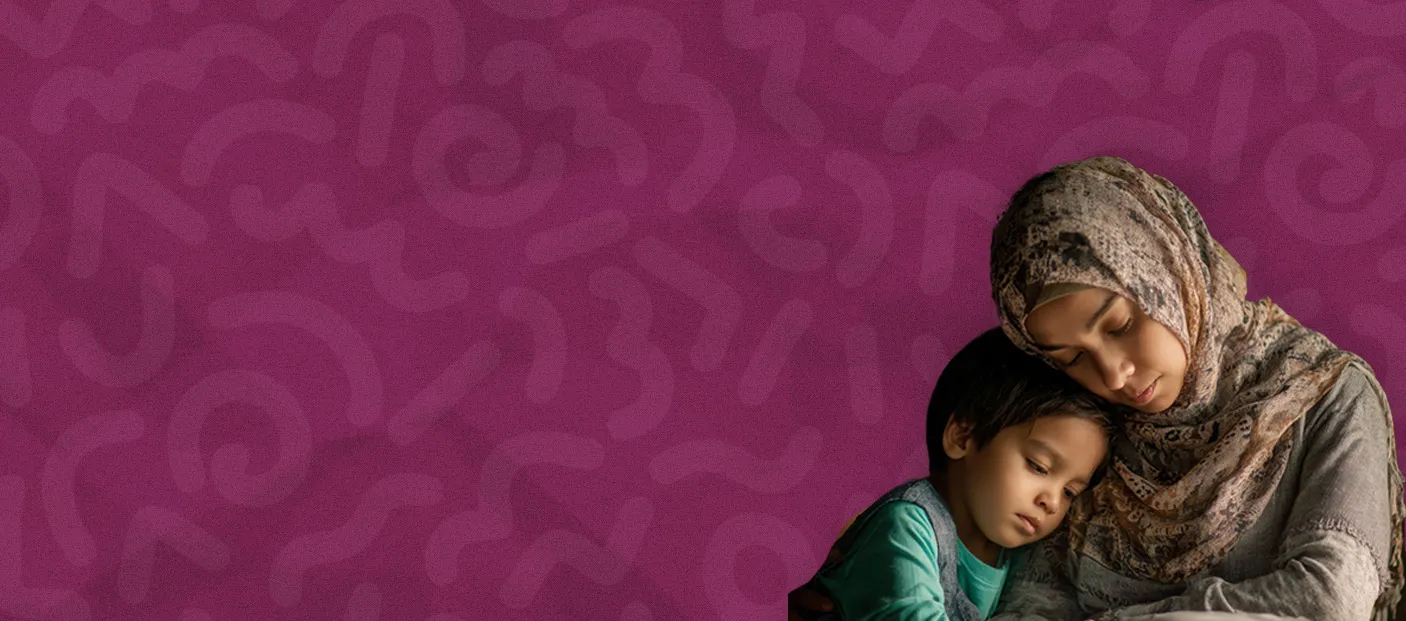
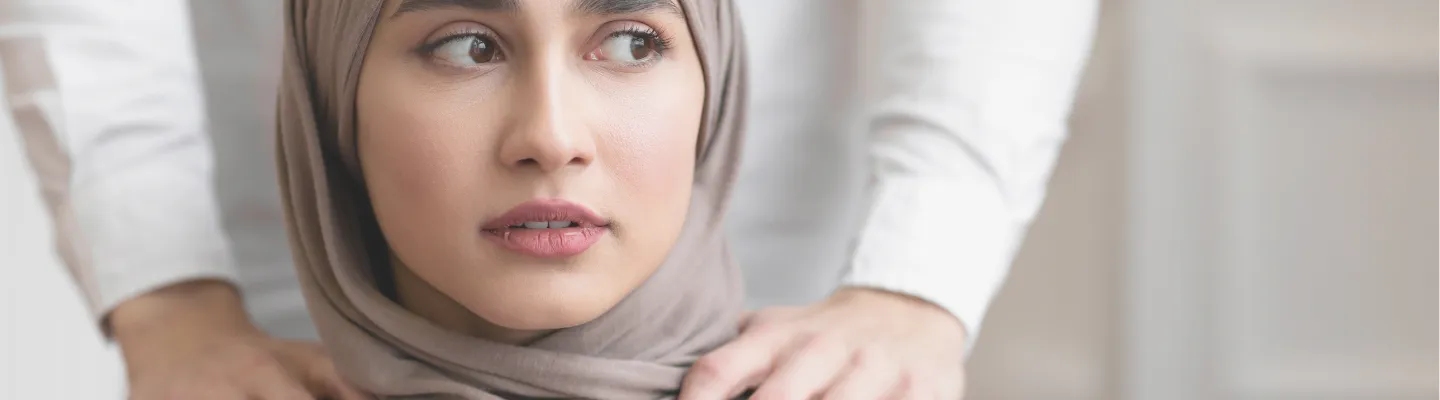
But for women navigating hardship, domestic violence, homelessness, financial stress, trauma, isolation, or single parenthood, this sacred month does not pause the struggle.
If Ramadan feels heavy instead of hopeful, please know that your struggle does not mean your faith is weak. Worship is not one-size-fits-all, especially when life is demanding more than usual.
Here are five ways ibadah may look different this Ramadan and why every single one still counts.
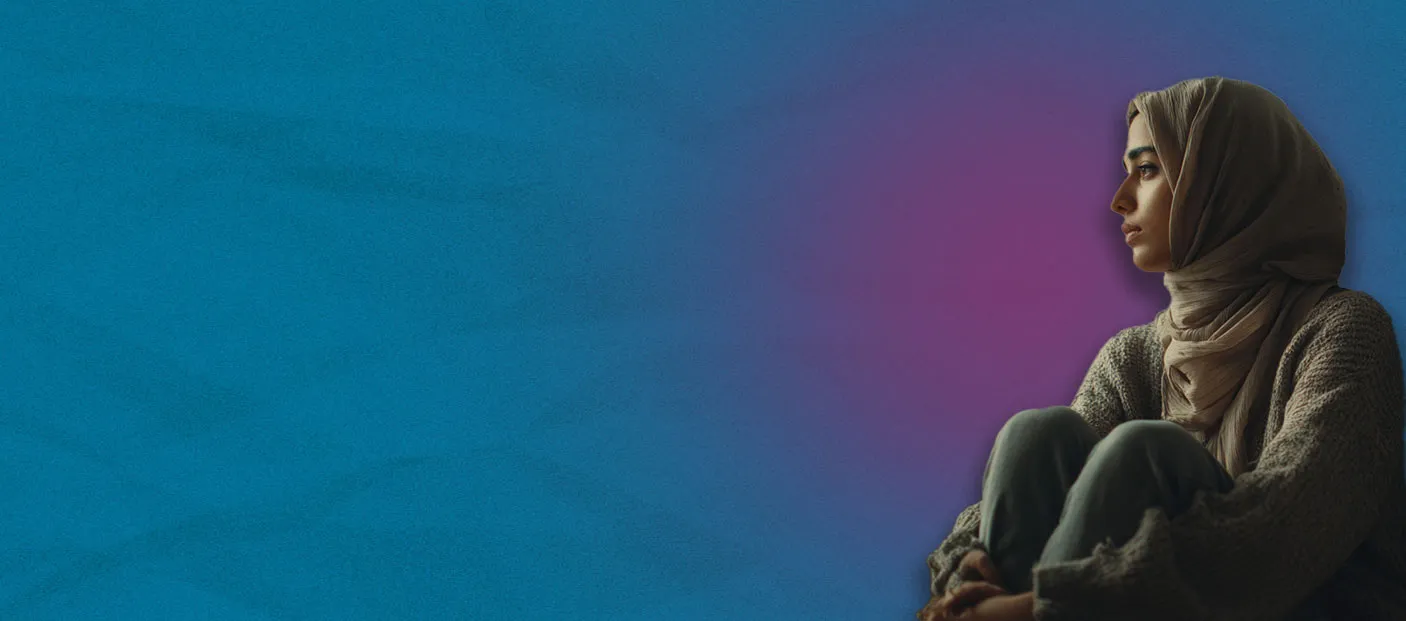
Sometimes ibadah is not doing more, it is recognizing and honouring what your body needs. Trauma, stress, and survival take a physical toll. If your fast feels heavier, your nights shorter, or your energy limited, rest itself can be an act of worship.
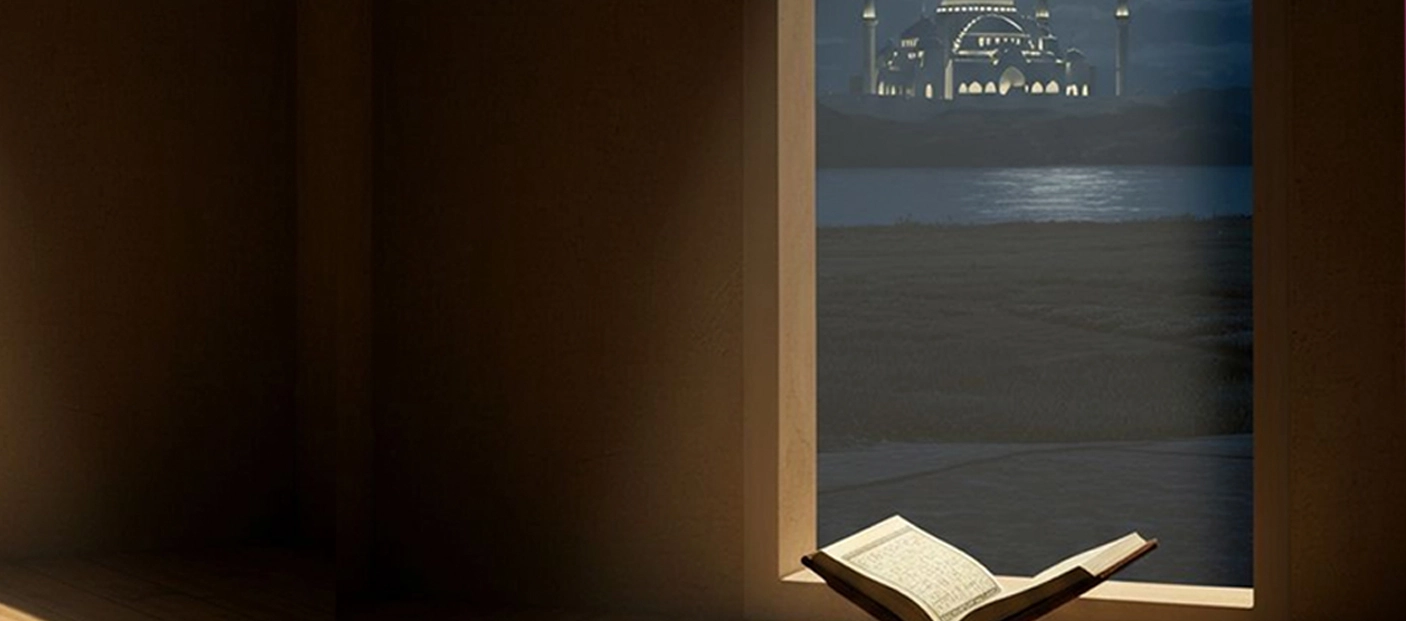
Allah is aware of the weight you are carrying, as he says in the Quran:
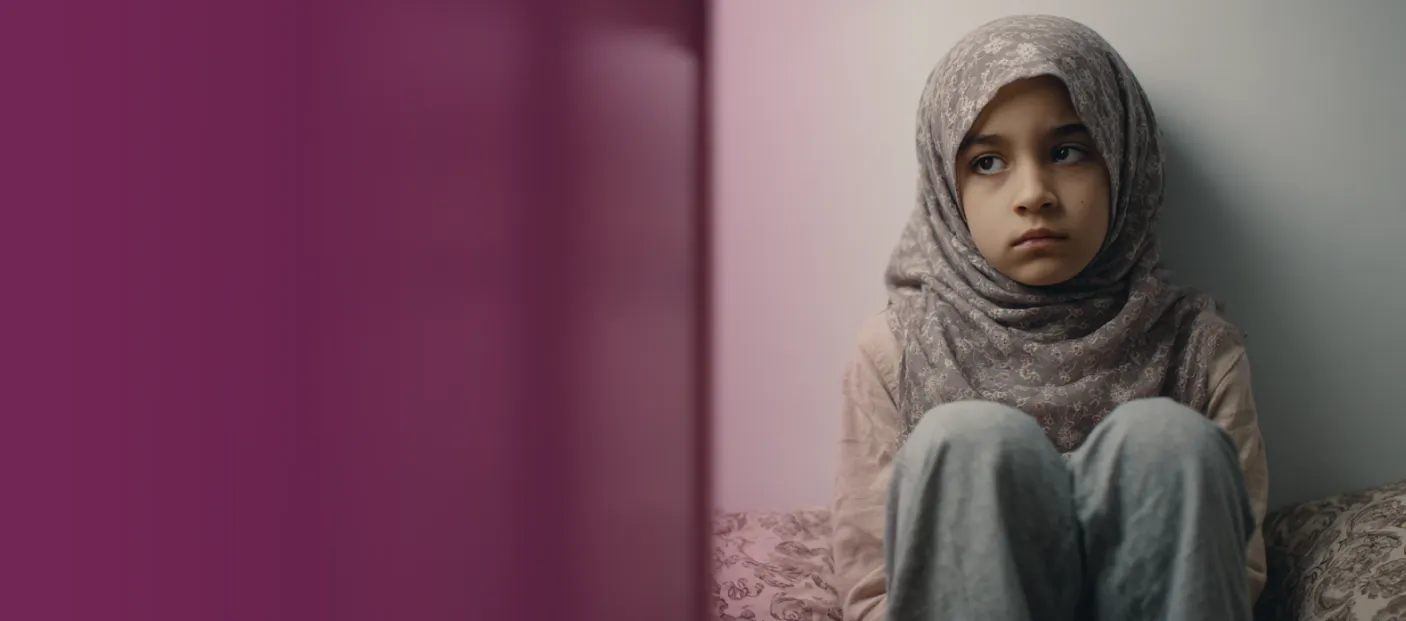
Not every heart has the capacity for extended worship. Some days, ibadah looks like a quiet “Ya Allah, help me” between responsibilities, tears, or fear.
A sincere dua, no matter how small, is never overlooked. Allah says in Surah Ghafir:
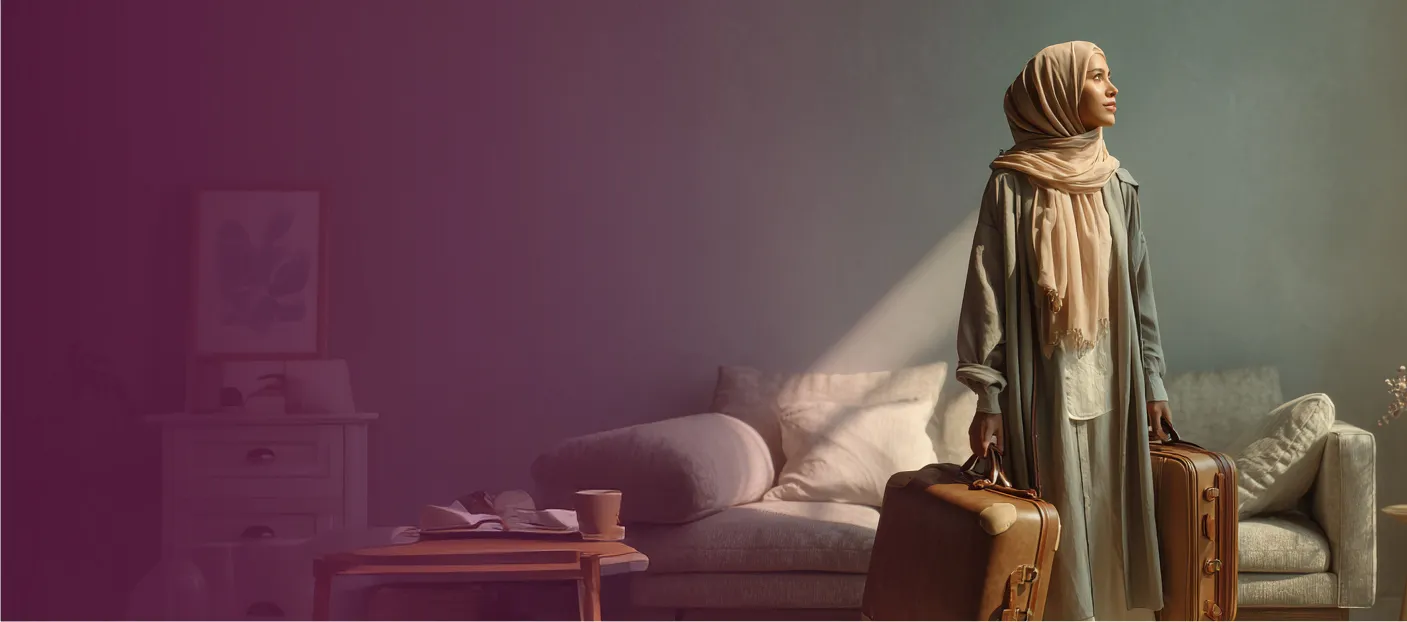
When life is overwhelming, simply continuing can be an act of devotion. Protecting your children. Choosing safety. Showing up when everything feels heavy.
Survival with patience is a form of worship.
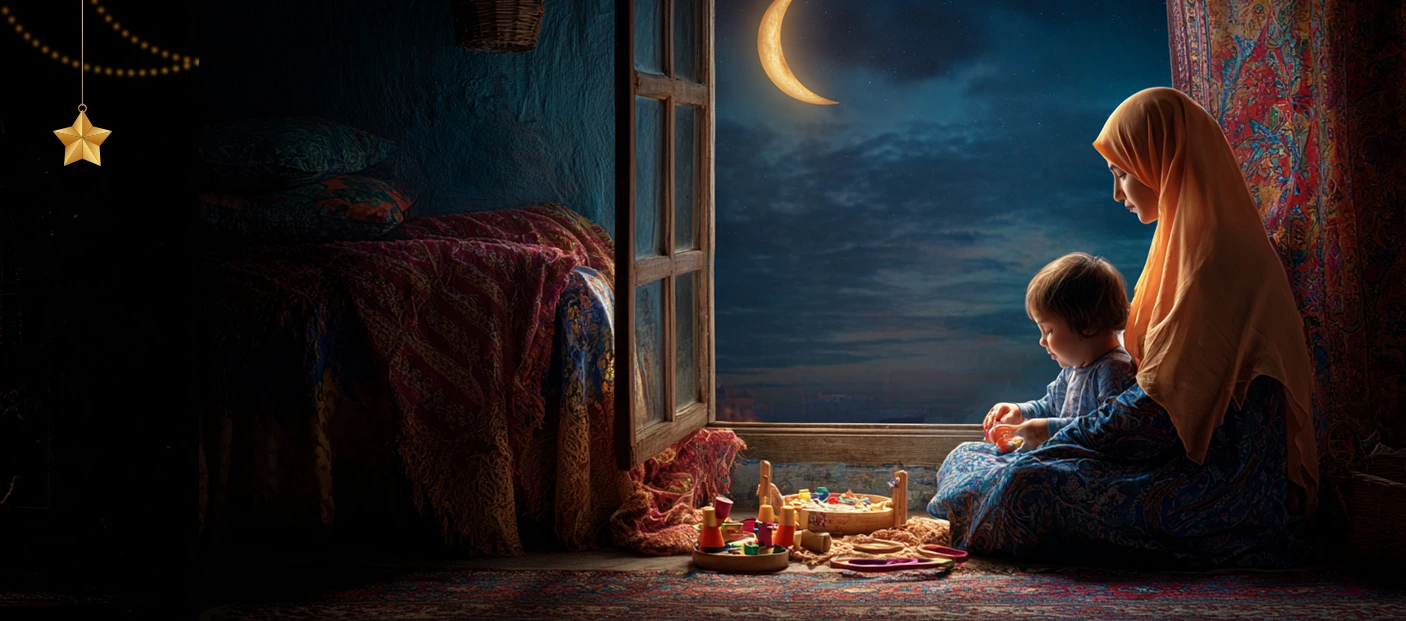
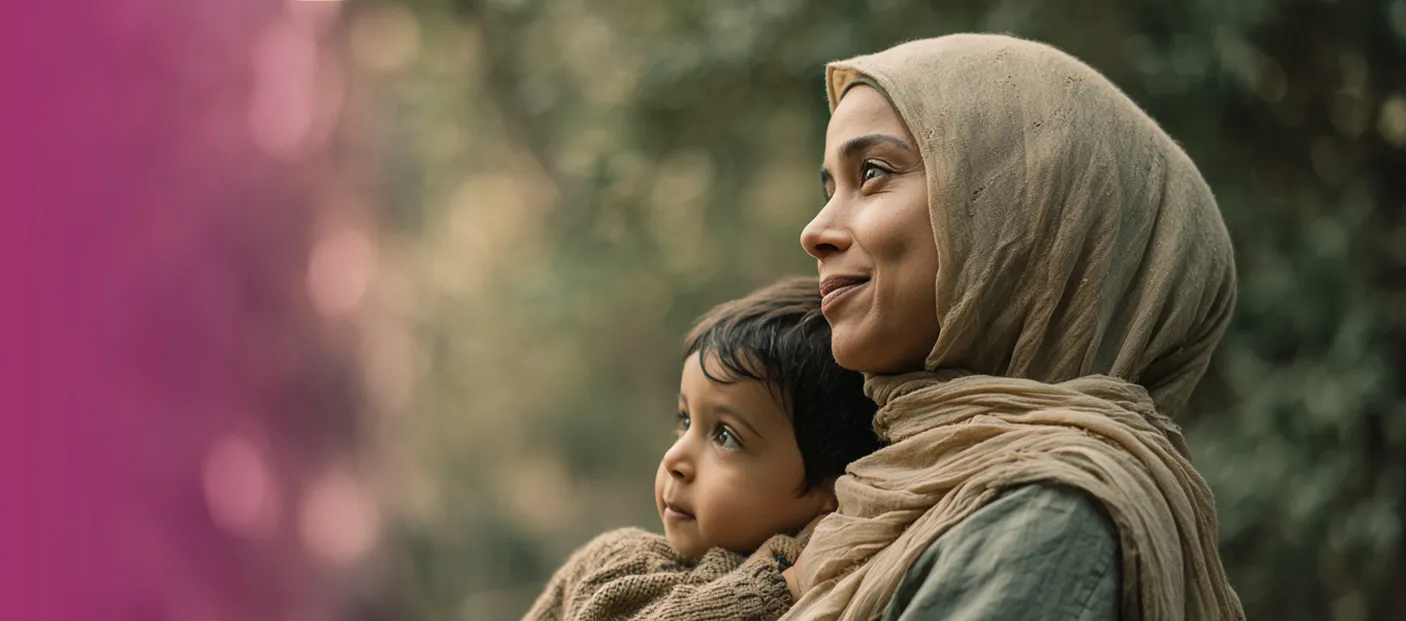
If your Ramadan is spent tending to children, managing crises, or holding a family together, know this: the care you give is seen by Allah. Your service, your sacrifice, your endurance, this is ibadah too.
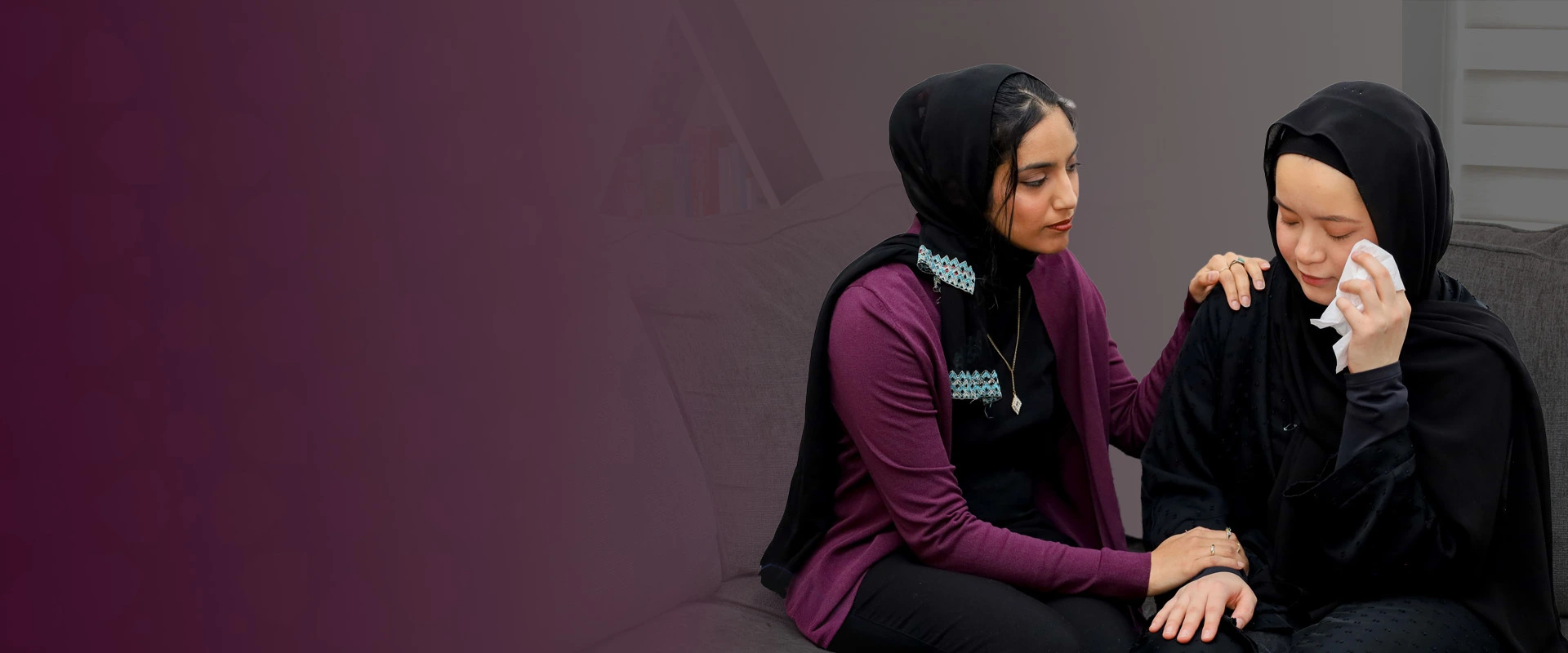
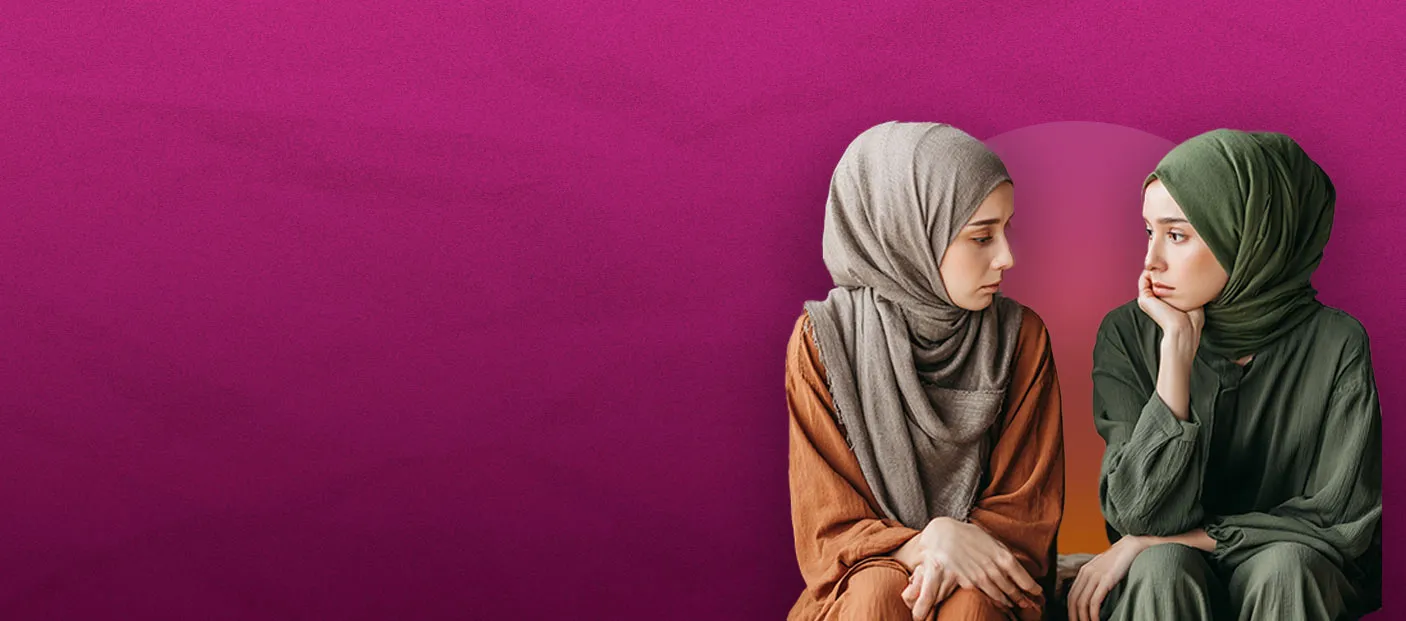
Accepting support is not a weakness. It takes strength to reach out when you are hurting. Choosing safety, counselling, shelter, or emotional support is an act of self-respect and faith in Allah’s mercy.
You are not meant to carry hardship alone.
Trauma affects the body, the mind, and the spirit. It can make focus difficult, emotions unpredictable, and worship feel different than it once did. But Allah does not measure faith by productivity or perfection.
You are not failing Ramadan because you are struggling. You are honouring it in the ways you are able.
At Nisa Foundation, we believe every woman deserves safety, dignity, and compassion. If you are experiencing violence, emotional distress, housing insecurity, or simply feel overwhelmed this Ramadan, support is available:
This Ramadan and beyond, we are committed to walking alongside women with care and dignity. You deserve support, without judgment and shame.



























.webp)


.webp)




.webp)





.svg)


.svg)


