DONATE

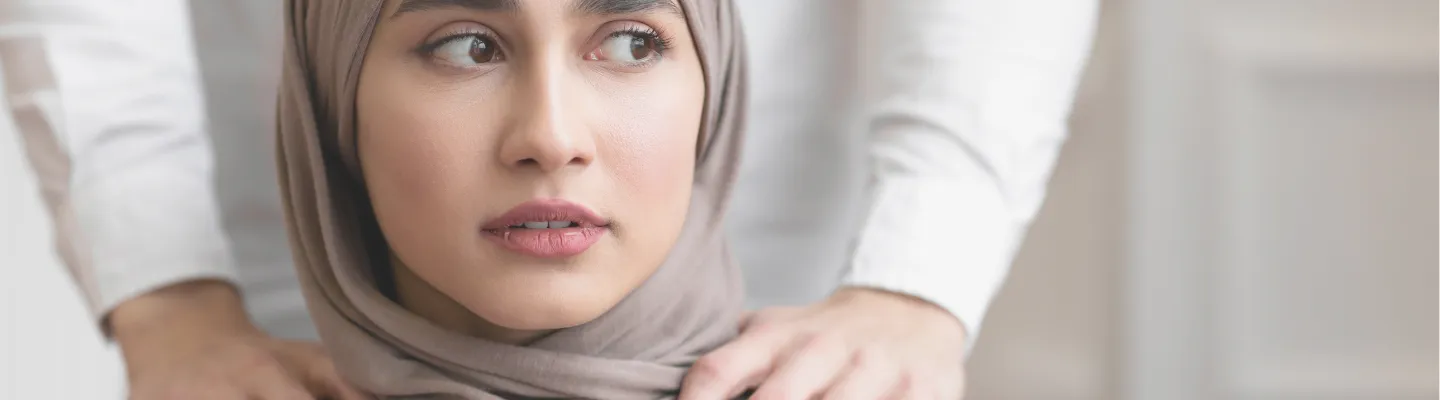
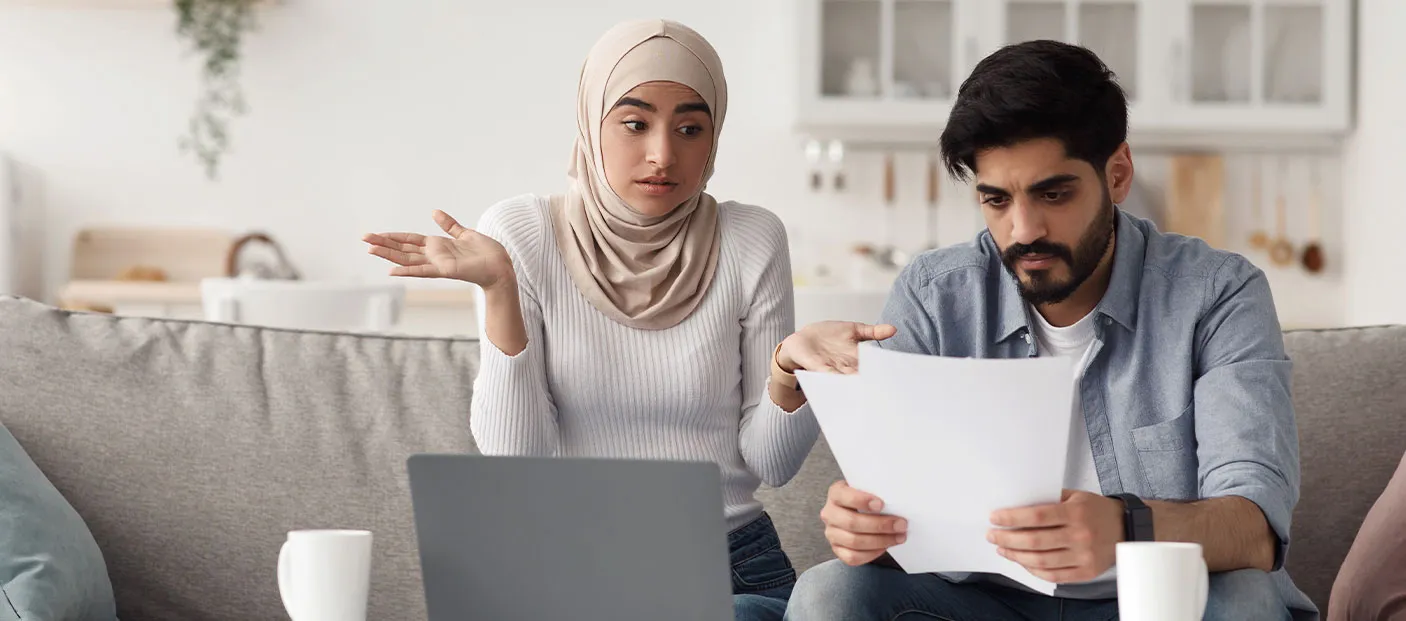
Sometimes, the fear of what others might say is enough to stop someone from asking for help.
“What will people say?”
It's a question many of us have heard growing up.
Sometimes it's about what we wear, who we spend time with, or the choices we make. But for a woman experiencing domestic violence, those four words can carry a much heavier meaning.
What will people say if I leave my husband?
Will my family be embarrassed?
Will people blame me for breaking up my marriage?
Will anyone even believe me?
For many women, these aren't just passing thoughts. They're real fears that can make an already difficult situation even harder.
Often, the fear of being judged by family, friends, or the wider community can keep a woman silent for years.
In many cultures and communities, marriage is seen as a lifelong commitment. Women may grow up hearing about the importance of patience, sacrifice, and keeping family matters private.
While these values can have positive meanings, they become harmful when they're used to excuse abuse or pressure someone into remaining in an unsafe situation.
A woman who opens up about abuse might hear:
Sometimes, these comments come from people who genuinely believe they're protecting her. But instead of offering support, they can make her feel responsible for maintaining the family's reputation, even at the expense of her own well-being.
The shame of abuse should never fall on the person experiencing it.
Yet too often, women are made to feel as though speaking up about abuse is more shameful than the abuse itself.
There are many reasons a woman may not feel ready or able to talk about domestic violence.
She may be financially dependent on her partner. She may worry about losing custody of her children, not having anywhere to go, or facing retaliation if she tries to leave.
For some women, cultural stigma adds another layer of fear.
She may worry that her community will distance itself from her, that relatives will stop speaking to her, or that she'll be labelled as someone who couldn't make her marriage work.
For women who are newcomers, these challenges can be even more complicated. Language barriers, limited social networks, unfamiliarity with available services, and uncertainty about immigration status may make seeking support feel overwhelming.
No woman should be made to feel that protecting herself means abandoning her values, disappointing her family, or turning her back on her community.
Imagine finally finding the courage to tell someone that you're being hurt, only to hear, “Are you sure it was that bad?”
Or, “Maybe you should try harder to make things work.”
Even when these words aren't intended to cause harm, they can make someone question their own experiences and regret opening up.
Now imagine hearing something different.
“I believe you.”
“You don't deserve to be treated this way.”
“Thank you for trusting me enough to tell me.”
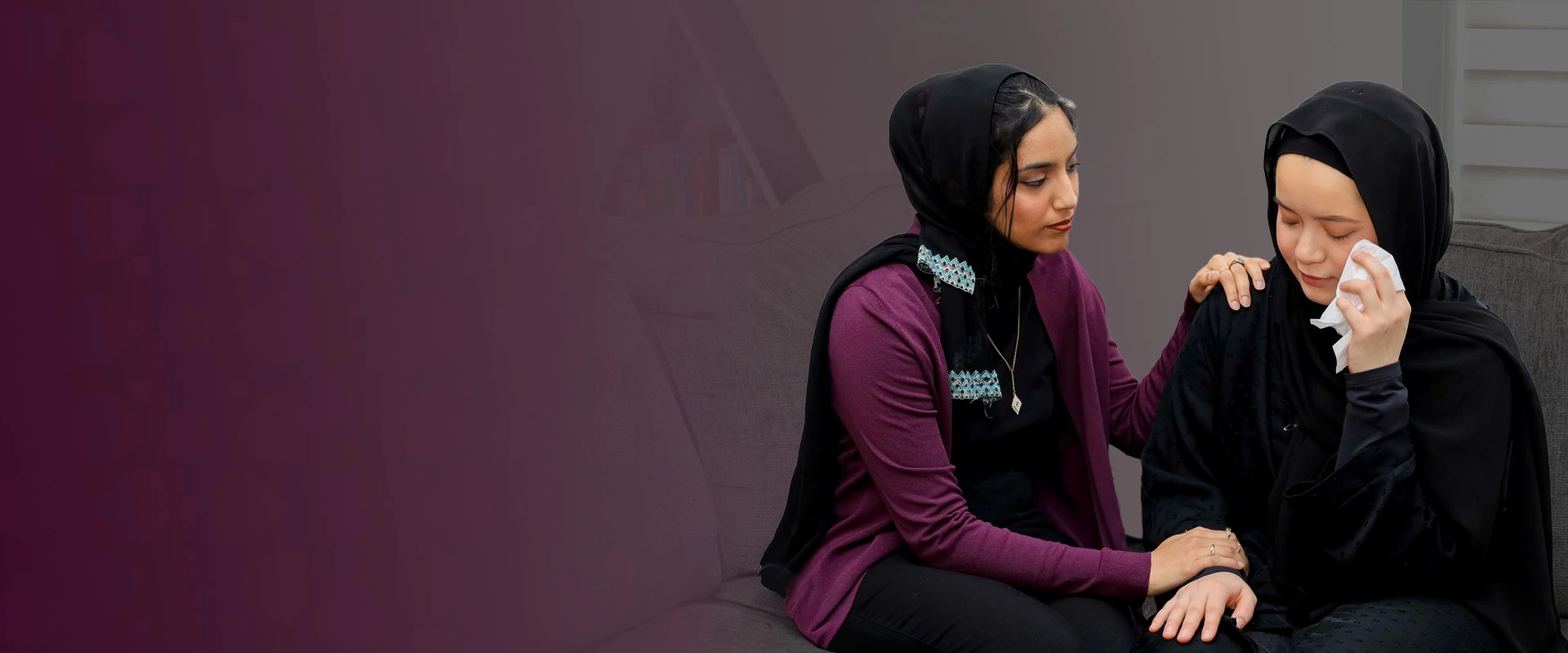
These responses may seem simple, but they can remind someone that they're not alone and that what they're experiencing matters.
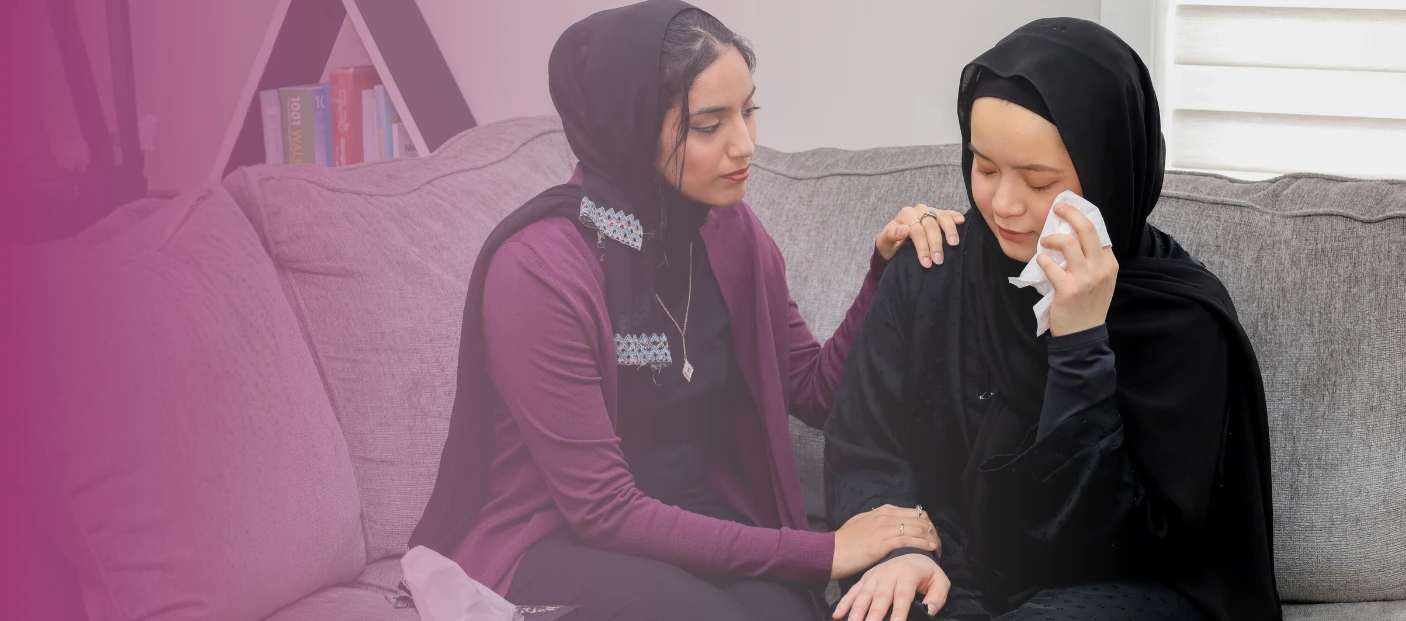
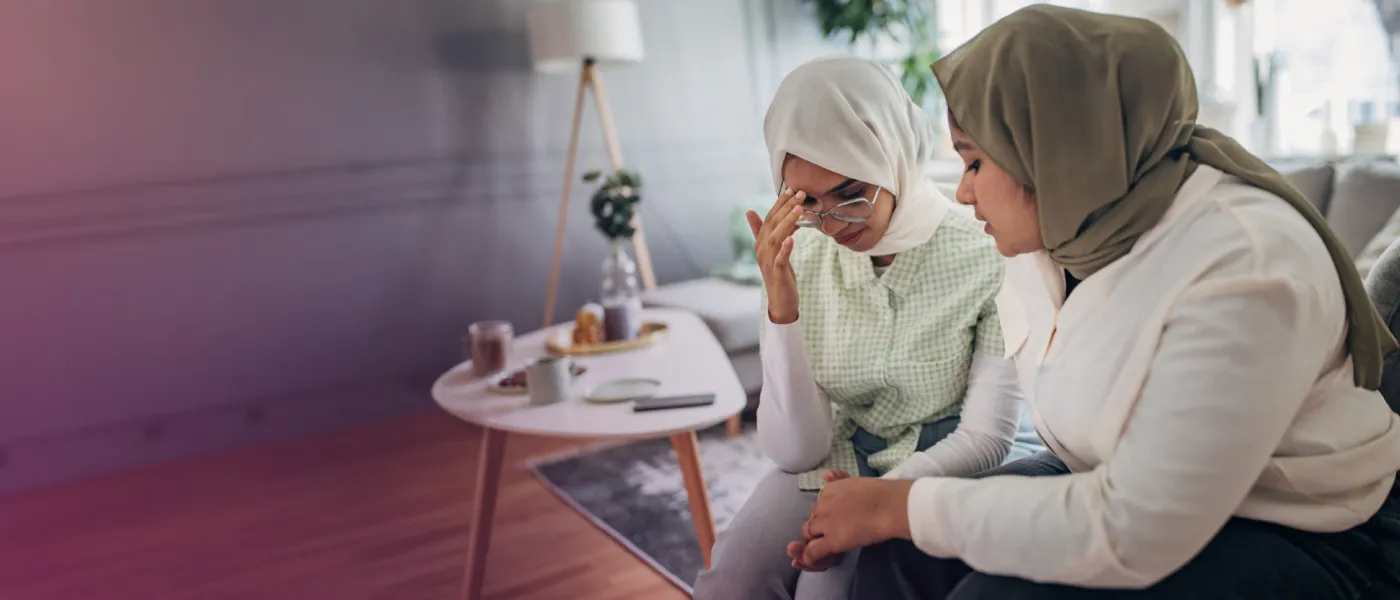
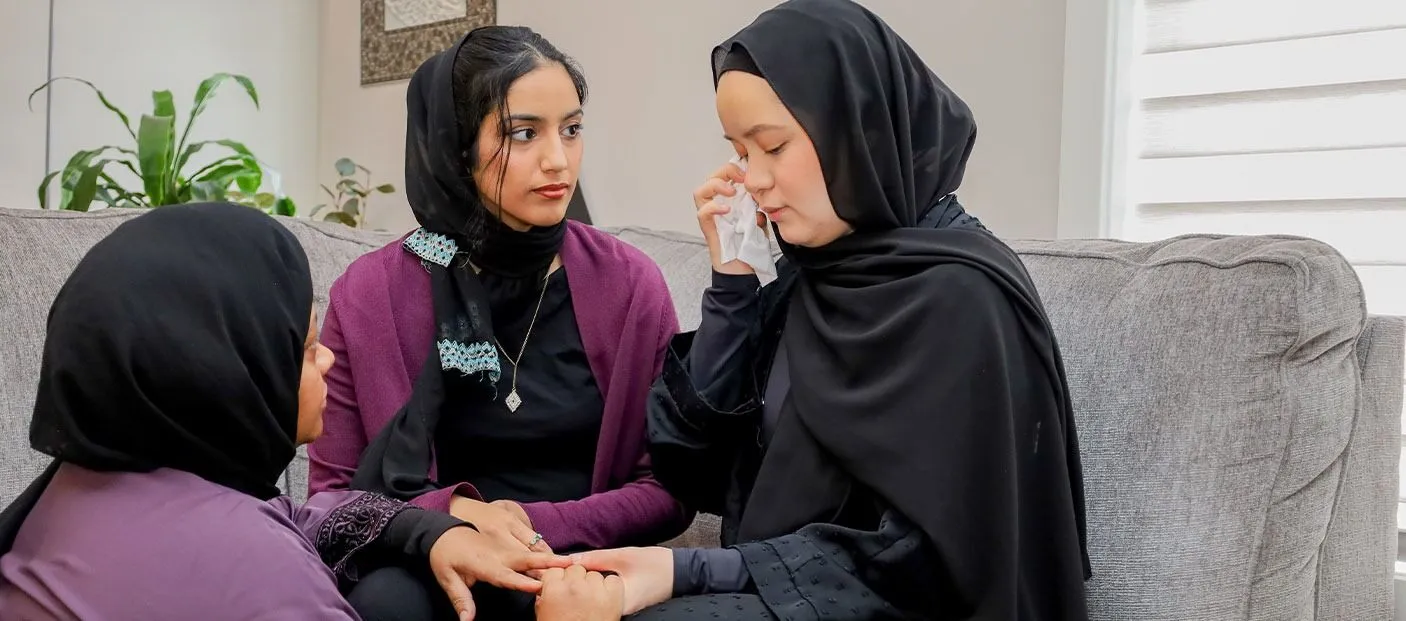
When a woman shares her experience of abuse, she doesn't need us to have all the answers. She needs to know that she can speak without being blamed, dismissed, or judged.
And if she isn't ready to leave, that doesn't mean we should stop supporting her.
Leaving an abusive relationship can be complicated and sometimes dangerous. Rather than pressuring her to make a decision, we can listen, respect her choices, and help her explore safe options when she's ready.
Changing the conversation around domestic violence starts with the way we respond to women who need support.
It means challenging the idea that family reputation is more important than a woman's safety.
It means recognizing that divorce or separation is not always a failure, and that staying in a harmful relationship should never be treated as a measure of strength or patience.
It also means being mindful of the messages we pass on to the next generation.
When we tell girls to tolerate mistreatment in order to keep others happy, what are we teaching them about their worth?
When we tell women to stay silent to protect their families, what message are we sending about their right to feel safe?
And when we dismiss abuse as a private family matter, who are we really protecting?
We cannot build safer communities if women are afraid of how those communities will respond when they ask for help.
Instead of asking, “What will people say?” let's start asking:
These are the conversations that can make a difference.
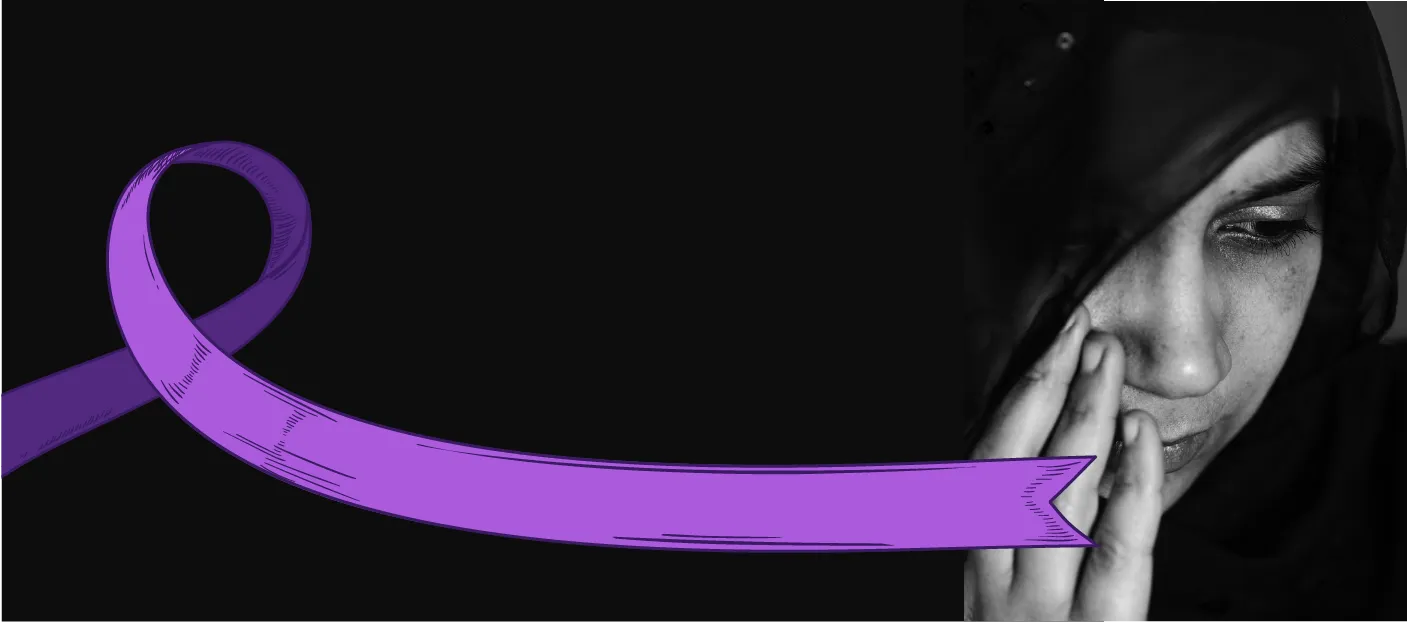
During the 16 Days of Activism Against Gender-Based Violence, let's remember that ending abuse isn't just about supporting women after they've experienced harm. It's also about changing the attitudes and expectations that allow abuse to remain hidden.
At Nisa Foundation, we understand that seeking help can be especially difficult when women are navigating cultural expectations, family pressures, and fear of judgment.
That's why we provide culturally responsive, faith-informed support through our confidential helpline, mental health counselling, and community education programs.
Every woman deserves to feel safe, respected, and supported, regardless of her circumstances or the decisions she makes.
And the next time someone asks, “What will people say?” perhaps our answer should be:
“Let's make sure she knows we're here for her.”
If you or someone you know is experiencing domestic violence, you don't have to navigate it alone.
Reach out to the Nisa Helpline for free, confidential support, available seven days a week from 8 AM to 12 AM ET.